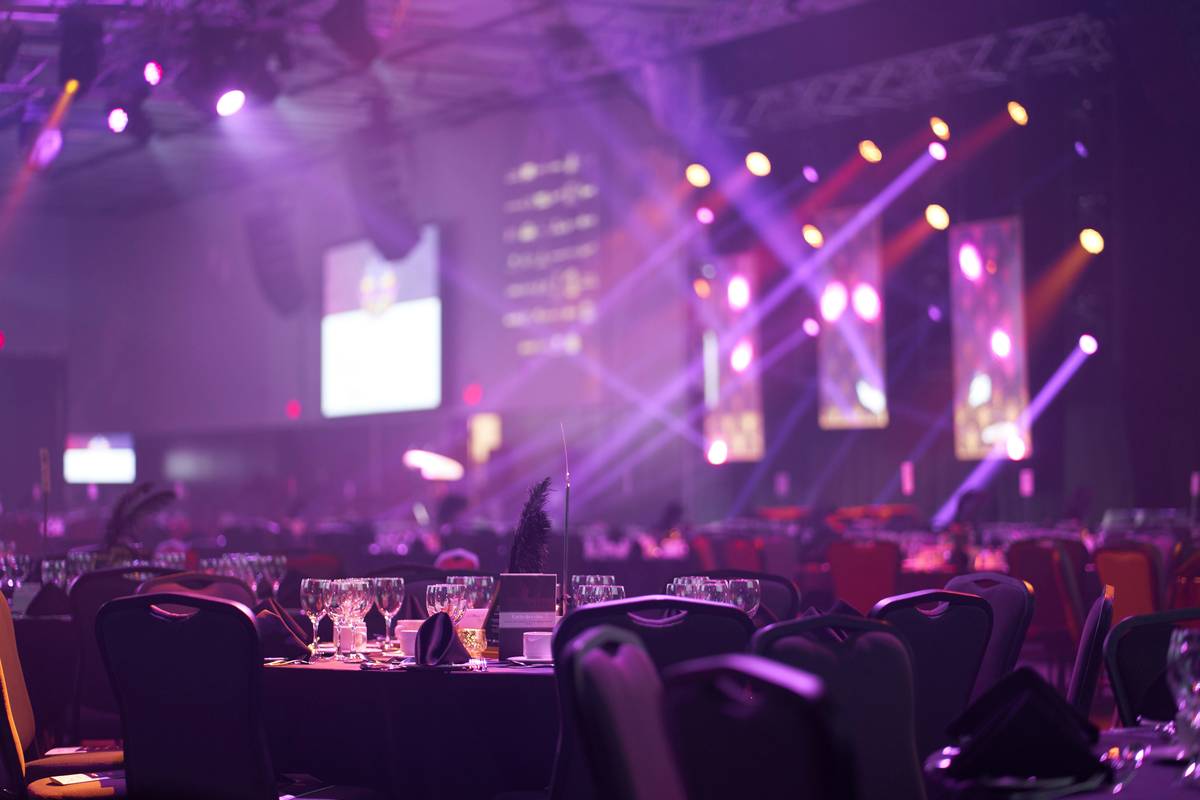
You booked the venue. Hired the caterer. Sent the invites. But if a guest slips on a wet floor and sues, your personal assets could vanish overnight. Standard homeowner’s or business policies rarely cover off-premise gatherings—and that gap is where lawsuits thrive. The fix? event liability insurance coverage. It’s not just for weddings; it’s your financial airbag for any organized gathering.
Why Your Existing Insurance Won’t Save You
Most people assume their auto, home, or general liability policy extends to parties they host. Dangerous assumption. Home policies exclude commercial-like events—yes, even a backyard fundraiser with 50 guests qualifies as “non-residential” in an adjuster’s eyes. And if you’re renting space? The venue demands proof of insurance. No certificate? No event.
And here’s the kicker: credit card protections—often touted as “travel insurance” or “purchase protection”—rarely include third-party bodily injury or property damage claims arising from events you organize. Think about it: your Amex won’t pay when Aunt Carol trips over a speaker wire and breaks her wrist.
How to Secure Real Event Liability Insurance Coverage (Step by Step)
Assess Your Risk Exposure
Not all events are equal. A 20-person book club meetup at a café needs far less coverage than a 500-person music festival with alcohol service. Ask: Will there be food? Alcohol? Paid vendors? Large crowds? Each factor multiplies your liability risk.
Choose Between Occurrence-Based vs. General Policies
One-time events demand a short-term policy—often called “special event insurance.” For recurring gatherings (monthly markets, weekly workshops), a general liability policy with event endorsements makes more sense long-term. Don’t overpay for annual coverage if you host once a year.
Get Quotes That Actually Cover What Matters
Beware of cheap policies that exclude key risks like liquor liability or vendor negligence. Always confirm: Does it cover bodily injury? Property damage? Legal defense costs? The cheapest quote is worthless if it voids on technicalities.
| Coverage Type | Typical Cost (Per Event) | Best For | Key Limitations |
|---|---|---|---|
| Basic Event Liability ($1M limit) | $125–$250 | Weddings, private parties, small conferences | No alcohol coverage; excludes vendors |
| Liquor Liability Add-On | + $75–$150 | Events serving alcohol (even BYOB) | Requires responsible beverage training documentation |
| Vendor & Equipment Protection Bundle | $200–$400 | Festivals, expos, pop-up markets | Only covers listed vendors; excludes weather cancellation |
The Industry Secret: Venues Often Profit From Your Panic
Here’s what no one tells you: many venues partner with captive insurance agencies. They’ll say, “You must use our approved provider”—then charge you 3x market rate. The math is simple: they earn commission. But you have a right to source your own coverage, as long as it meets their minimum requirements (usually $1M per occurrence). Get three independent quotes first. Use them as leverage—or walk away.
And don’t forget: some credit cards, like premium travel rewards cards, offer secondary event liability for cardholders booking venues through them—but only if the entire event cost is charged to the card. Read the fine print. Few do.

FAQ
Do I need event liability insurance for a free community picnic?
Yes—if the city or park requires it (most do). Even if not mandated, one injury can cost six figures. Basic coverage starts under $150.
Does event liability insurance cover my vendors’ mistakes?
Not automatically. You need a “vendor endorsement” or ensure each vendor carries their own liability policy. Otherwise, you’re liable for their negligence.
Can I get same-day event liability insurance?
Sometimes—but it’s risky. Most insurers require 3–5 days for underwriting. Last-minute policies often exclude key risks or cost double.